









By Bashir Bello, Abuja.

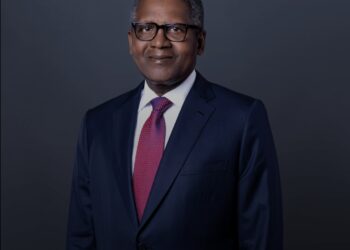
The Economic Community of West African States (ECOWAS) has announced a plan to partner with prominent African businessman, Aliko Dangote, and other private sector entities to strengthen monetary stability and economic power in the region.
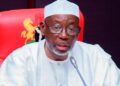
The President of the ECOWAS Commission, Omar Touray, disclosed this initiative during the 95th meeting of ECOWAS Ministers held in Abuja on Wednesday.
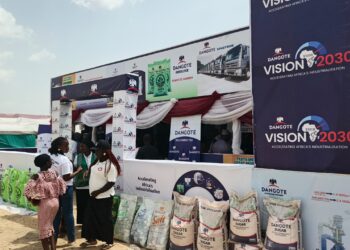
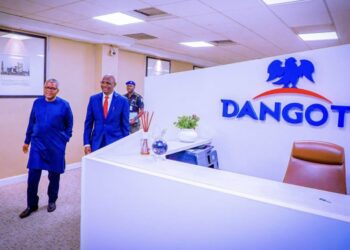
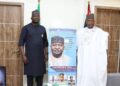
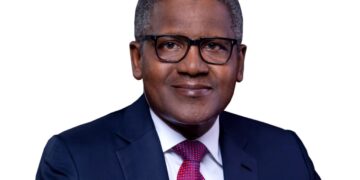
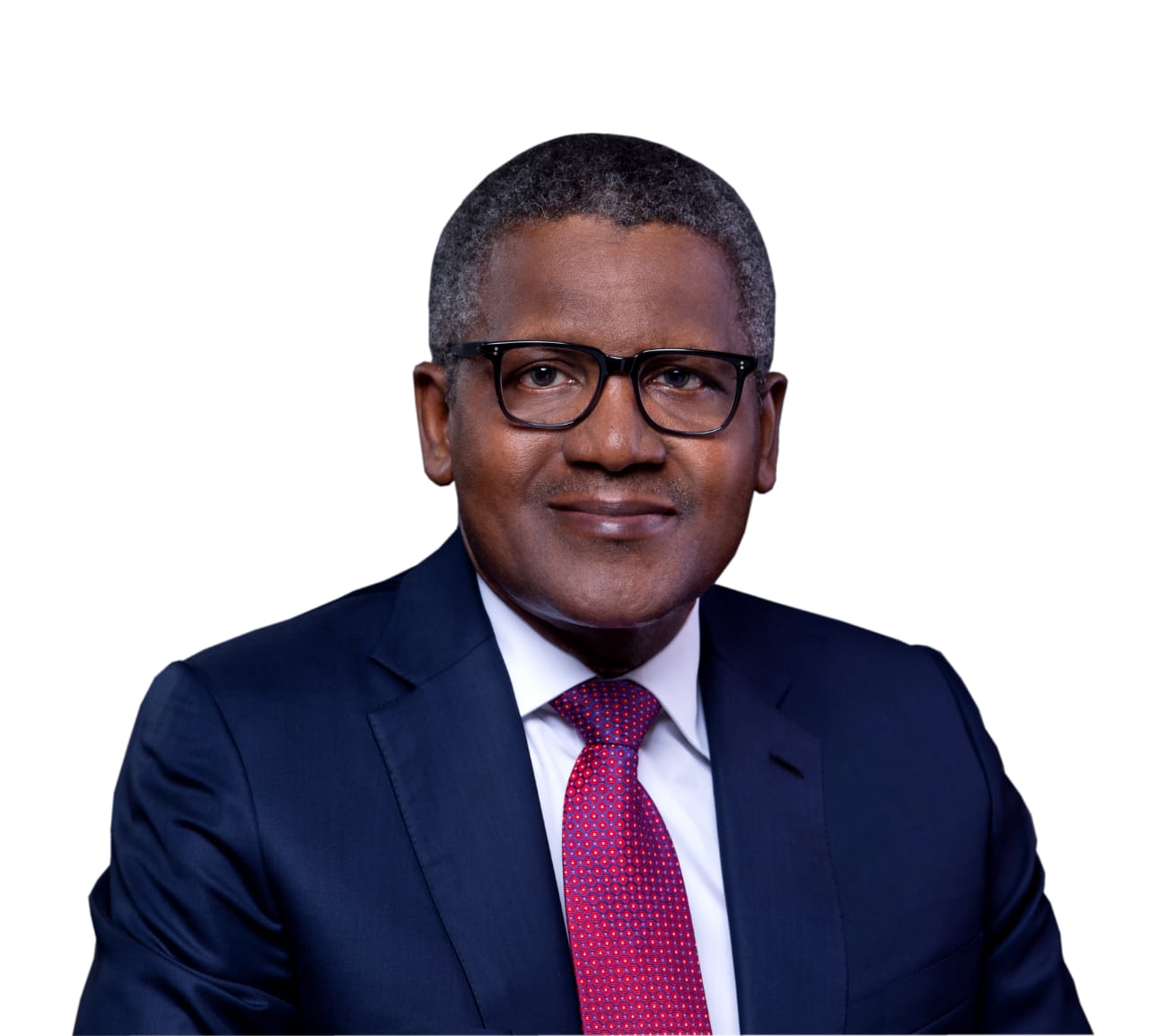
Touray announced that Dangote was selected as the first chairman of the ECOWAS Business Council, a newly created platform aimed at attracting investment from the private sector and supporting economic integration in the region.
He said: “We are proceeding with the implementation of the ECOWAS Business Council. We have chosen Alhaji Aliko Dangote as the first chairman of this council due to his experience and expertise in business matters within our region, Africa, and across the world.
“Through this council, we hope to bring the private sectors together to discuss economic cooperation and development in our region.
“The Business Council will enhance dialogue and cooperation between the private sector, governments, and ECOWAS institutions.”
The ECOWAS Commission is working to reduce reliance on foreign investment by strengthening investment within the region’s member states.
Touray stated: “This enthusiasm for investment within our region shows the importance of raising capital from within to build our communities rather than waiting for uncertain foreign investment.
“I am confident that with the kind of investment we have seen from people like Alhaji Dangote, the private sector in our region can lead the development of our communities if given the opportunity and empowerment.”
He also expressed concern over the challenges facing the ECOWAS electricity market, stating: “This is a platform for our regional electricity market which is facing challenges due to the debt owed to it by national electricity companies.”
He urged member states to support the recovery of these debts as part of efforts to strengthen the region’s economy.
In addition to attracting the private sector, Touray’s address touched on issues related to regional resilience, monetary integration, and the creation of a regional force to combat terrorism.
Updates were also provided on the annual action plan, budget, and audit of the accounts of ECOWAS institutions for verification.
He said: “We hope that your discussions on the issues before this meeting will pave the way for a region that is self-reliant, without foreign domination or vulnerability to external economic shocks.”
Sierra Leone’s Minister of Foreign Affairs and Chair of the ECOWAS Council of Ministers, Timothy Kabba, called on West African countries to strengthen cooperation in the face of security, economic, and democratic challenges.
During the opening of the meeting, Kabba said: “This meeting further confirms our commitment to regional integration, based on our vision for a West Africa that is dynamic and prosperous.”
He stated that during the two-day meeting, ministers would review reports and proposals aimed at improving economic and political integration within the community.
On the occasion of the 50th anniversary of the signing of the Treaty of Lagos, which established ECOWAS, Kabba emphasized the importance of economic cooperation.
He said: “We must continue efforts to create a conducive environment for the growth of the private sector, which is the cornerstone of the economic integration agenda.”
He also called for increased intra-regional trade, improvement of transport corridors and electricity connectivity, and the full utilization of the African Continental Free Trade Area (AfCFTA) agreement for regional development.
The chairman also touched on the security issues plaguing West Africa, including terrorism, extremism, organized crime, and unconstitutional changes of government.
He emphasized: “No country should face these challenges alone. It is only through strengthening cooperation and mutual understanding among our countries that we can overcome them.”
He called for investment in peace and security programs, intelligence cooperation, and the launch of the ECOWAS Standby Force.
Kabba condemned the coups that have occurred in some countries in the region, saying: “Our community must stand firm in rejecting coups or any violation of the rule of law.”
He expressed concern over events in the Republic of Guinea-Bissau and the attempted coup in the Republic of Benin, saying: “This threatens constitutional order, democracy, and the values that unite us as a community.”
He commended ECOWAS for its swift response to the political crisis in Guinea-Bissau, saying: “Our quick and coordinated response, including transparent and open dialogue, demonstrates our commitment to resolving the political crisis and restoring peace and constitutional order.”
Finally, Kabba encouraged members to participate in the meeting with diligence and optimism.
In her address, Nigeria’s Minister of Foreign Affairs, Ambassador Bianca Odumegwu-Ojukwu, drew the attention of the attendees to the challenges facing the region.
She said: “Recent years have witnessed political instability and a lack of cohesion, including unconstitutional changes of government, delayed transitions of power, and leadership uncertainty in some member states.
“This threatens the democratic values we have agreed upon and can undermine the progress we have made with difficulty.”
Regarding economic integration, Ambassador Odumegwu-Ojukwu emphasized the need for increased intra-regional trade and the creation of opportunities for youth.
She said: “The future of our region depends on deepening trade among ourselves, strengthening supply chains, facilitating investment, and providing opportunities for more than 400 million people, especially youth under the age of 25 who make up nearly 65 percent of the population. They are undoubtedly relying on ECOWAS to lead them towards progress.”
The Minister emphasized the important role the council plays in policy formulation.
She said: “The documents before you address critical issues affecting governance, economic integration, disaster response, peace and security, agriculture, and institutional effectiveness.”
She added that West Africa is facing increasing political crises and security challenges, with some ECOWAS countries battling coups, attempted coups, and unstable power transitions.
Mali, Niger, and Burkina Faso are under military rule, while Guinea-Bissau joined this group after military intervention. On Sunday, a coup attempt was prevented in the Republic of Benin.
The situation has worsened due to intensifying humanitarian crises, with millions of people displaced in different parts of Mali, Niger, Nigeria, and Burkina Faso.