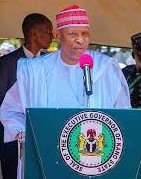
















The Kaduna State Government has announced that more than 40,000 adolescent girls across the state have been reached through a structured life skills education programme, as Governor Uba Sani moves to institutionalise life skills education across public secondary schools.
According to a statement issued by the Ministry of Information, the Governor is set to present an Executive Bill to the Kaduna State House of Assembly to make life skills education a mandatory and permanent component of the state’s secondary school curriculum.

The life skills programme is being implemented under the World Bank–supported Adolescent Girls Initiative for Learning and Empowerment (AGILE) Project and has so far reached 40,536 girls and 1,864 boys, with 1,141 teachers trained as mentors across senior secondary schools in the state.
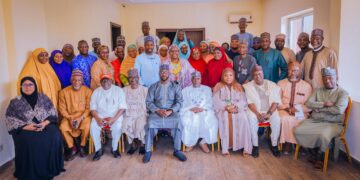
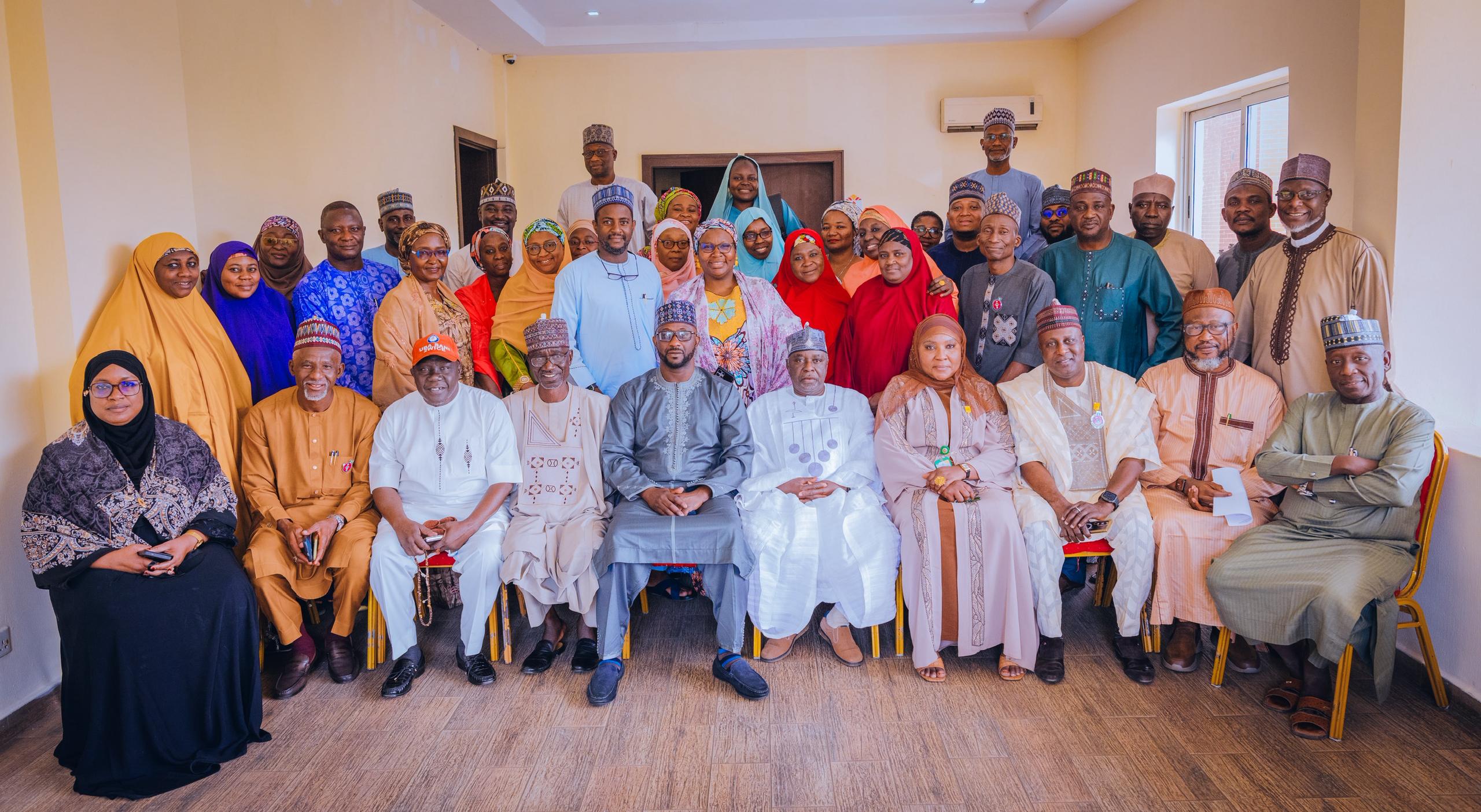
The Commissioner for Education, Prof. Abubakar Sani Sambo, disclosed this during a strategic workshop in Abuja on the institutionalisation of life skills education. Speaking on behalf of Governor Uba Sani, he said the administration is committed to moving education beyond academic outcomes to deliberately build emotional intelligence, resilience, leadership skills and social responsibility, particularly among girls.
He explained that the reform represents a shift from a traditional “thinking” approach to education to a more holistic “doing and feeling” model, designed to better prepare students to navigate real-world challenges.
The life skills curriculum covers modules on empowerment, health and nutrition, reproductive health, prevention of gender-based violence, climate change and social inclusion.
The Ministry noted that early results include improved confidence among students, reduced absenteeism, increased enrolment and positive behavioural changes, including greater respect and empathy among learners.
The AGILE State Project Coordinator, Hajiya Maryam Sani Dangaji, confirmed that the programme has been implemented across all senior secondary schools in Kaduna, while the Executive Director of the Centre for Girls’ Education, Dr. Habiba Mohammed, described Kaduna’s approach as a benchmark for sustainable, girl-child-focused education reform.
Reacting to the proposed legislation, the Chairman of the Kaduna State House of Assembly Committee on Education, Hon. Emmanuel Bako Kantiok, assured that the legislature is ready to fast-track the passage of the bill once stakeholder consultations are concluded.
According to the Ministry of Information, the proposed law will establish a clear legal framework and dedicated budget, ensuring that life skills education—particularly for the girl-child—remains a core and compulsory component of Kaduna State’s public education system for generations to come.