











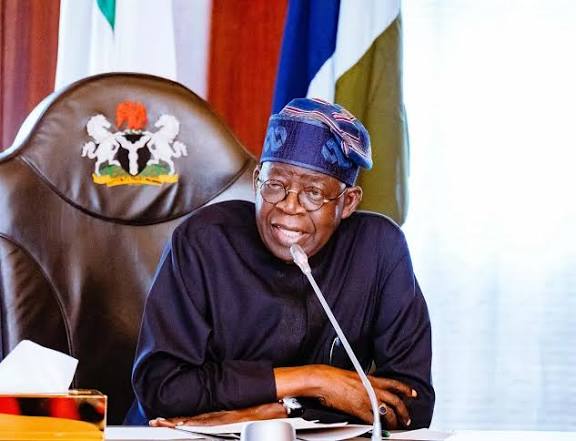
Dear Mr. President Sir,

This letter is written not in hostility, but in civic responsibility. Nations progress when leaders are willing to listen to uncomfortable truths. Nigeria today stands at such a moment.
When the All Progressives Congress (APC) assumed power in 2015, it promised change, stability, and prosperity. Ten years later, many Nigerians are asking a painful but legitimate question: change to what?

In 2015, one US dollar exchanged for about ₦197. Currently it trades around ₦1,430. This single shift explains much of today’s hardship: weakened purchasing power, higher import costs, and the steady erosion of incomes.
Fuel, which sold for about ₦87 per litre in 2015, now sells around ₦830. Kerosene has risen from ₦50 to about ₦1,300. Diesel has climbed from ₦155 to about ₦1,300, while cooking gas now sells near ₦1,300 per kilogram, up from roughly ₦180. All these changes occurred under the leadership of your party that came with the mantra of “Change” and later “Renewed Hope” during your election bid Mr President.
Food prices tell an even harsher story. A bag of rice that sold for ₦8,000 in 2015 now costs about ₦65,000. Cement has risen from ₦1,700 to over ₦10,200, making home ownership and construction increasingly unaffordable.
Basic tools of livelihood have become luxuries. A Bajaj motorcycle has jumped from ₦170,000 to ₦870,000. A tricycle (keke-napep) from ₦370,000 to about ₦3.5 million. A simple sewing machine from ₦45,000 to around ₦300,000. These are not indulgences; they are how millions survive.
Even matters of faith reflect the strain. The Hajj fee has surged from about ₦700,000 to roughly ₦8 million, putting a core religious obligation beyond the reach of many.
On wages Mr President Sir, when the APC took office in 2015, the national minimum wage stood at ₦18,000. It rose to ₦30,000 in 2019 and to ₦70,000 in 2024 under your administration. Yet according to inflation data from the National Bureau of Statistics, the cost of food, energy, transport, and housing has risen far faster. In real terms, many workers earning ₦70,000 today can afford less than those earning ₦18,000 a decade ago.
The broader social picture is equally troubling. According to the National Bureau of Statistics, unemployment was around 13 per cent in the mid-2010s before rising sharply in later years. On poverty, the World Bank and Nigeria’s Living Standards Measurement Survey show that the number of Nigerians living in poverty rose from about 67 million earlier in the decade to over 130 million by 2022. With recent inflation shocks, analysts now estimate that around 160 million Nigerians live in poverty.
Nigeria’s GDP has also declined from about $565 billion in 2015 to roughly $285 billion today, reflecting weak growth and currency depreciation.
Debt adds another layer of concern. According to the Debt Management Office (DMO), Nigeria’s total public debt stood at about ₦12.6 trillion in 2015. By June 2023, at the end of President Muhammadu Buhari’s tenure, it had risen to ₦87.38 trillion — meaning roughly ₦75 trillion was accumulated under the Buhari administration.
By mid-2025, DMO figures show total public debt had climbed further to about ₦152.40 trillion. In effect, about ₦65 trillion has been added in roughly two years under your administration Mr President ,driven by fresh borrowing and the impact of naira depreciation on foreign loans. A growing share of national revenue now goes to servicing debt rather than funding social needs such as health, education, security etc.
For balance, I must confess that the APC-led government recorded tangible achievements. According to the Federal Ministry of Works, major highways and bridges — including the Second Niger Bridge and the Lagos–Ibadan Expressway — were completed or rehabilitated. The Nigerian Railway Corporation confirms the most significant rail expansion in decades, including the Abuja–Kaduna and Lagos–Ibadan lines. Social intervention programmes reached millions, and the long-delayed Petroleum Industry Act was finally passed in 2021. These achievements are real and deserve acknowledgment.
However, elections are ultimately referendums on lived experience. Roads and railways matter, but Mr President, hunger, unemployment, declining purchasing power, and economic anxiety weigh more heavily on daily judgment.
Mr. President, if current hardship persists, it will not only undermine public confidence — it will seriously endanger your re-election prospects in 2027. This is not a threat. It is a political reality.
There is still time to recalibrate. Nigerians are asking for policies that will stabilise the currency, tame inflation, manage debt prudently, support local production, and restore purchasing power.
History will judge this administration not by intentions, but by outcomes Mr President Sir. And Nigerians will deliver their verdict at the ballot box