















By Umar Sani Daura

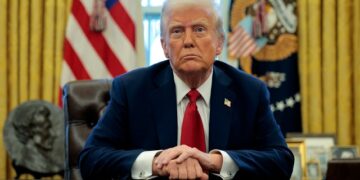
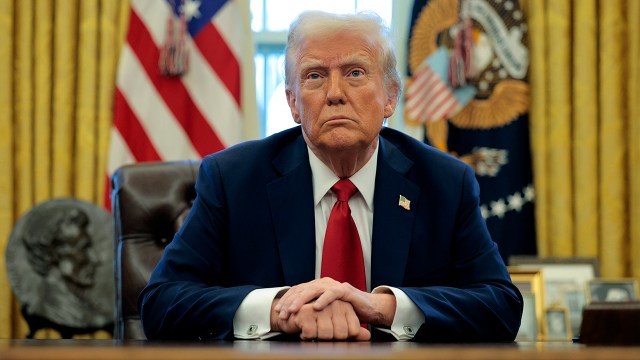
Donald Trump’s presidency has become a spectacle of confrontation, a trumphet blaring across the world stage. His name itself has come to symbolize stubbornness, a leader determined to fight battles that often appear more theatrical than strategic. From Beijing to Caracas, Moscow to Abuja, Trump has chosen conflict over cooperation, leaving America’s reputation increasingly bruised.
Nigeria now finds itself at the center of this discord. Trump’s recent military strikes against Islamic State-linked fighters in northwest Nigeria were framed as decisive counterterrorism. Yet the timing—during Christmas festivities—was seen by many Nigerians as a violation of sovereignty and a reminder that America under Trump prefers force to dialogue. Abuja presented the operation as cooperation, but citizens questioned whether it was partnership or provocation.
The drama escalated further with reports that in December 2025, just before the Christmas fireworks by America in Northwest Nigeria, America hijacked an oil vessel named the Skipper with links to a Nigerian-based company, but not officially owned or flagged by Nigeria, was intercepted by American forces near Venezuelan waters. The ship’s crew, including its captain, were detained in what Washington described as a “preventive action” against suspected smuggling. But persons familiar with the development in Nigeria viewed it as a humiliating affront: a sovereign nation’s lifeblood seized on the high seas, its captain treated as collateral in Trump’s global show of strength. For a country whose economy is tethered to oil, the alleged seizure was not just a military maneuver but a symbolic assault on sovereignty and pride. Whether fact or rumor, the story has ignited outrage and reinforced the perception of America as a predator circling Africa’s wealth.
Elsewhere, Trump’s confrontations follow a familiar script. In Venezuela, U.S. forces captured Nicolás Maduro in a dramatic strike, shocking Latin America and raising questions about America’s respect for international law. With China, Trump’s threats over Nigeria’s resources have deepened great-power competition, leaving Africans worried about becoming pawns in a superpower rivalry. Russia, too, remains locked in a cold standoff, with Trump’s rhetoric ensuring mistrust endures.
The pattern is unmistakable: Trump thrives on confrontation, but the outcomes are mixed at best. His strikes may weaken terrorist groups temporarily, but they also inflame anti-American sentiment. His bold moves may project strength, but they erode trust in U.S. leadership. Nigeria, in particular, risks becoming a theater where America’s heavy hand undermines the very stability it claims to protect.
The implications are sobering. Trump’s actions may deliver short-term victories—headlines of captured leaders, destroyed camps, and bold declarations—but they also risk leaving America with a long-term deficit in credibility. Allies grow uneasy, rivals grow bolder, and ordinary citizens in targeted countries see America less as a partner than as a bully.
Is Trump winning, or is he trumped by his own tactics? The evidence suggests the latter. His confrontations have not built lasting peace, nor have they enhanced America’s moral standing. Instead, they have amplified chaos, strained alliances, and given America a reputation for impulsive aggression.
Nigeria’s case is especially telling. By striking during a season of peace and allegedly hijacking the Skipper oil vessel with its crew, Trump ensured maximum symbolism but also maximum resentment. The trumphet of his foreign policy may be loud, but it risks drowning out the quieter notes of cooperation, respect, and trust that true leadership requires.
In the end, Trump’s legacy may not be one of triumph but of turbulence—a stubborn president who mistook noise for strategy, leaving America with more enemies than friends, and a name that echoes not as victory, but as warning.