
















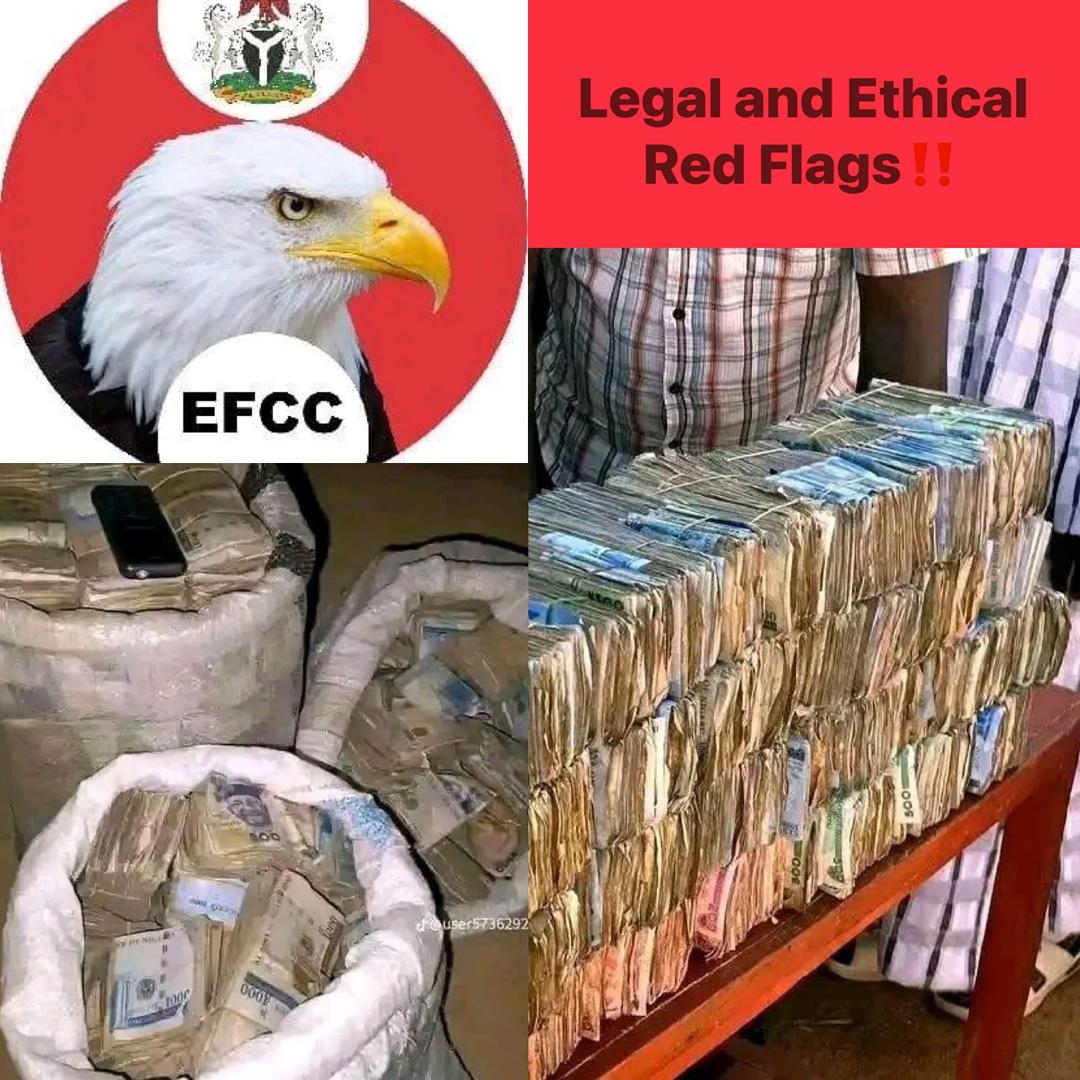
Public funds are sacred. They are neither campaign resources nor rewards for political loyalty. Yet, the growing practice of Local Governments withdrawing large sums of cash, displaying them publicly, and distributing them to party members signals a dangerous breakdown of legality and governance.

The law is unambiguous. The Money Laundering (Prevention and Prohibition) Act, 2022, particularly Section 2(1), prohibits corporate bodies, including Local Governments from engaging in cash transactions above N10 million outside regulated banking channels. Section 2(2) further mandates compulsory reporting of such transactions to relevant authorities, including SCUML. Any violation constitutes a suspicious transaction under the law.
Publicly displaying large sums of cash is not innocent generosity, but it is an evidence in the eyes of the Nigerian Law.

Nigerian law recognises digital and social media content as admissible material capable of triggering investigations by the EFCC. Such conduct undermines transparency and suggests deliberate evasion of financial accountability.
What is even more troubling is when the distribution of such public funds are to party members.
The 1999 Constitution (as amended) restricts public resources to strictly public purposes. Using Local Government funds for partisan activities amounts to abuse of office, misappropriation, and criminal breach of trust, as recognised under the EFCC and ICPC Acts, with possible implications under the Electoral Act.
Financial rules exist to protect democracy, not to be bypassed. Governance cannot be reduced to cash handouts disguised as empowerment.
Hon. Sama’ila Aliyu Makarfi
ADC- Makarfi Local Government
7th January, 2026