

















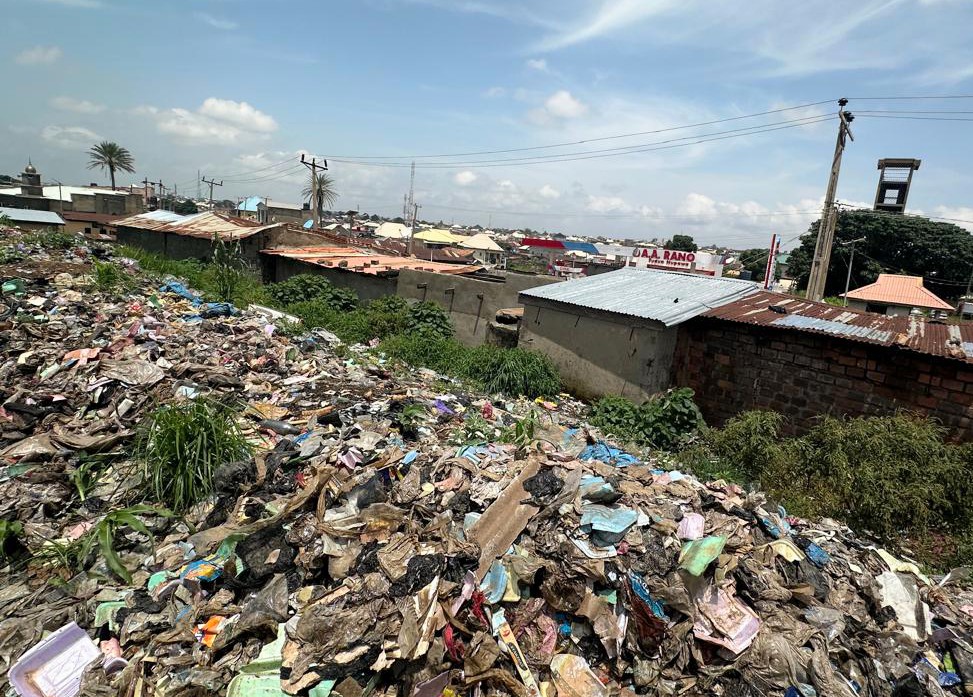
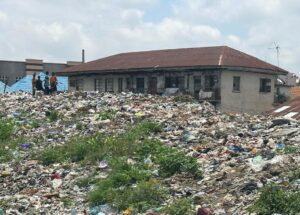
 Environmental advocates and traditional leaders in Kaduna have called on the Kaduna State Government to conduct a full assessment of the Tudun-Ilu waste ground and evacuate the refuse piling up there.

They argued that instead of leaving the site to continue emitting smoke and disease, government should transform it into temporary markets and other community-use facilities that can generate income.
The appeal followed an inspection of the dump site near the Fire Service in Tudun Wada by Comrade Ibrahima Yakubu, Head of Communications at African Climate Reporters and lecturer at the African Institute of Waste Management and Environmental Studies. He was joined by a team of environmental scientists.

Tudun-Ilu is believed to be one of the oldest refuse dumps in Kaduna State. Experts say its location in a densely populated area makes it a serious threat, especially to women and children living nearby.
After the assessment, Yakubu and the scientists said the heaps of waste must be cleared urgently to protect residents from hazardous smoke and toxic fumes caused by burning and decomposition.
“We cannot continue to allow plastics and other waste to pile up and poison the air,” Yakubu stated. “The government should evaluate the site properly, remove the waste, and replace it with structures like lock-up shops for traders or other facilities that benefit the community.”
He also urged residents to stop setting the dump ablaze and called for massive public enlightenment on the dangers of open burning.
The traditional ruler of Unguwan Tudun-Ilu, Mai-Unguwa Mallam Husaini Yakubu, who received the team, said the community has endured the effects of the dump for years.
According to him, smoke from the site is constant from morning till evening. He linked it to rising cases of respiratory problems in the area.
He explained that the dump now receives animal waste and refuse trucked in from Kaduna Central Market, worsening the situation.
“We have suffered enough,” the Mai-Unguwa said. “Government should stop dumping here. This place can be turned into shops or other useful projects instead of a source of sickness.”
He appealed to NGOs, health professionals, and civil society groups to work with government and community leaders to find a permanent solution to waste disposal in the area.
The stakeholders listed immediate steps: evacuate Tudun-Ilu, ban open burning, provide proper alternative dumpsites, and strengthen waste collection, recycling, and public awareness.

They said such actions will cut air pollution, improve living standards, and safeguard public health not just in Tudun-Ilu but across Kaduna metropolis.
The community leader thanked the visiting team and urged authorities to act without delay.