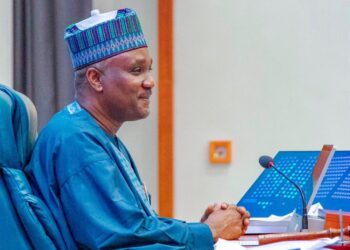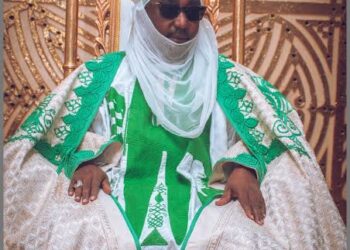












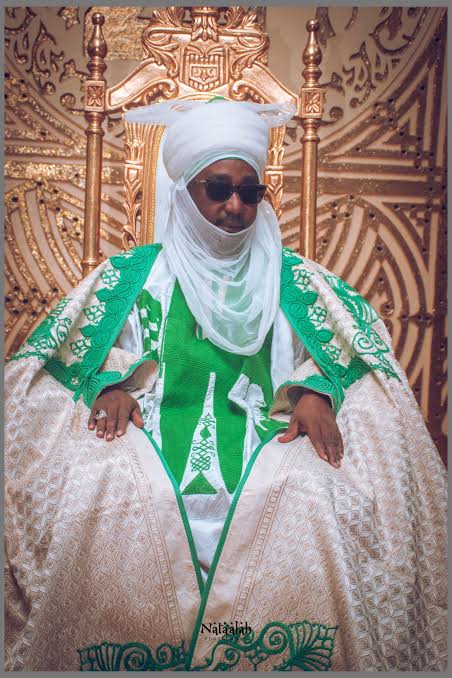
In the heart of Northern Nigeria stands a monarch whose reign continues to redefine traditional leadership with wisdom, humility, inclusiveness, and progressive vision. Ahmed Nuhu Bamali, the 19th Emir of Zazzau, has emerged not only as a custodian of culture and tradition but also as a symbol of unity, education, youth development, and modernization within the historic Zazzau Emirate.
Since ascending the throne of the ancient emirate, the Emir has demonstrated a leadership style that transcends ethnic, social, and political boundaries. His reign reflects the true essence of statesmanship — a monarch deeply connected to his people and passionately committed to the advancement of society.

A Leader Beyond Tribal Lines
One of the most admired qualities of Emir Ahmed Nuhu Bamali is his non-tribal and all-encompassing disposition. In a nation where ethnic and regional sentiments often threaten unity, the Emir has consistently promoted peaceful coexistence, tolerance, and inclusiveness.
He is widely respected for embracing people from all backgrounds without prejudice. Under his leadership, the Zazzau Emirate has continued to serve as a meeting point for diverse cultures, ideas, and communities. His open-door leadership style has endeared him to many beyond the boundaries of Zaria and Kaduna State, earning him admiration across Nigeria and beyond.
The Emir’s approach reflects the timeless belief that leadership must unite rather than divide. His calm temperament and diplomatic engagements have further strengthened harmony among different ethnic and religious groups within the emirate.

Passion for Educational Development
Education remains one of the strongest pillars of the Emir’s vision for societal transformation. Emir Bamali has repeatedly emphasized the importance of knowledge as the foundation for progress, empowerment, and national development.
He has shown keen interest in promoting both western and Islamic education, understanding that a balanced educational system is essential for preserving identity while embracing global advancement. Through various engagements, advocacy efforts, and partnerships, he continues to encourage parents to prioritize education for their children, especially the girl-child.
The Emir’s educational advocacy extends beyond formal learning. He actively supports intellectual development, literacy campaigns, vocational training, and initiatives aimed at reducing out-of-school children within the region.
Many observers believe that his educational philosophy reflects foresight — a recognition that the future of the emirate depends largely on an enlightened and skilled younger generation.
Modernization and Development of the Zazzau Emirate
As a modern traditional ruler with international exposure and diplomatic experience, Emir Bamali has brought a fresh developmental outlook to the Zazzau Emirate.
His reign is increasingly associated with efforts aimed at modernization while preserving the rich heritage of the ancient kingdom. He understands that tradition and development are not enemies, but partners that can coexist for the benefit of society.
The Emir has encouraged strategic partnerships, community development initiatives, infrastructural growth, and policies that seek to improve the socio-economic wellbeing of the people. His leadership reflects a progressive mindset — one that recognizes the importance of innovation, technology, economic inclusion, and institutional reforms in building a stronger emirate.
Importantly, he has managed to uphold the dignity and prestige of the traditional institution while steering it toward relevance in a rapidly changing world.
Champion of Art and Culture
The Zazzau Emirate has long been celebrated for its rich cultural heritage, and Emir Ahmed Nuhu Bamali has remained deeply committed to preserving and promoting that legacy.
His strong interest in arts and culture has contributed significantly to sustaining traditional festivals, cultural exhibitions, local craftsmanship, music, architecture, and historical preservation. He recognizes culture not merely as entertainment, but as the identity and soul of a people.
Under his watch, cultural values continue to receive royal attention and encouragement. The Emir appreciates the role of creative expression in promoting tourism, preserving history, strengthening communal pride, and projecting the image of the emirate globally.
By supporting cultural initiatives and traditional institutions, he continues to inspire younger generations to value their roots while confidently engaging with the modern world.
A Monarch Loved by His People
Perhaps one of the greatest testimonies to Emir Bamali’s leadership is the genuine affection and admiration he enjoys among his people.
His humility, accessibility, and compassion have made him not only a ruler but also a father figure to many. He is widely regarded as a monarch who listens attentively, empathizes sincerely, and responds thoughtfully to the concerns of his subjects.
In times of difficulty, tension, or uncertainty, the Emir has consistently demonstrated empathy and calm leadership. His public engagements often reflect simplicity, grace, and respect for ordinary citizens, qualities that have further strengthened the bond between the throne and the people.
The love the people have for him is evident in the respect accorded to his palace, the warm reception he receives during public appearances, and the widespread prayers continually offered for his successful reign.
Commitment to Youth Empowerment
Emir Ahmed Nuhu Bamali clearly understands that the strength of any society lies in the productivity and direction of its youth population.
For this reason, he has remained supportive of youth empowerment, entrepreneurship, education, skills acquisition, and positive engagement initiatives. He consistently encourages young people to embrace hard work, discipline, innovation, and peaceful conduct.
Rather than allowing youths to become vulnerable to social vices or extremism, the Emir advocates constructive engagement through education, economic opportunities, leadership development, and community participation.
His message to young people is both inspiring and practical: the future belongs to those who prepare for it responsibly.
Humility and Empathy in Leadership
Despite occupying one of the most revered traditional stools in Nigeria, Emir Bamali continues to embody humility and humanity in remarkable ways.
His calm demeanor, respectful interactions, and thoughtful public conduct have become defining features of his reign. He treats people with dignity regardless of status, and this has strengthened public confidence in the traditional institution.
Empathy remains one of his greatest leadership qualities. Whether consoling grieving families, supporting community causes, advocating peace, or encouraging development initiatives, the Emir consistently demonstrates genuine concern for the wellbeing of his people.
Such qualities have elevated his moral authority and reinforced his image as a compassionate and people-centered monarch.
Supporting the Vision of the Emirate
The vision being championed by Emir Ahmed Nuhu Bamali deserves broad support from citizens, government institutions, private organizations, community leaders, and the international community.
The progress of the Zazzau Emirate requires collective commitment toward education, youth development, peacebuilding, cultural preservation, and socio-economic advancement. Traditional institutions remain vital pillars of societal stability, and enlightened leadership such as that of Emir Bamali offers hope for sustainable development.
As the emirate continues to evolve under his stewardship, there is growing optimism that the ancient kingdom will achieve even greater relevance and prosperity in the years ahead.
Indeed, the reign of His Royal Highness Ambassador Ahmed Nuhu Bamali represents a compelling blend of tradition, modernity, compassion, and visionary leadership — qualities worthy of admiration, support, and celebration.