














Following the National Assembly’s approval for President Bola Tinubu to secure a $5 billion loan from Abu Dhabi Bank of the United Arab Emirates to establish an external financing programme, alongside an additional $1.9 billion from Citi Bank of London to upgrade the Apapa and Tin Can Island Ports in Lagos, opposition voices have begun to mount strong resistance.

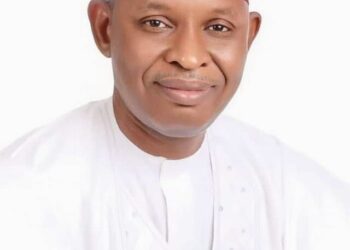
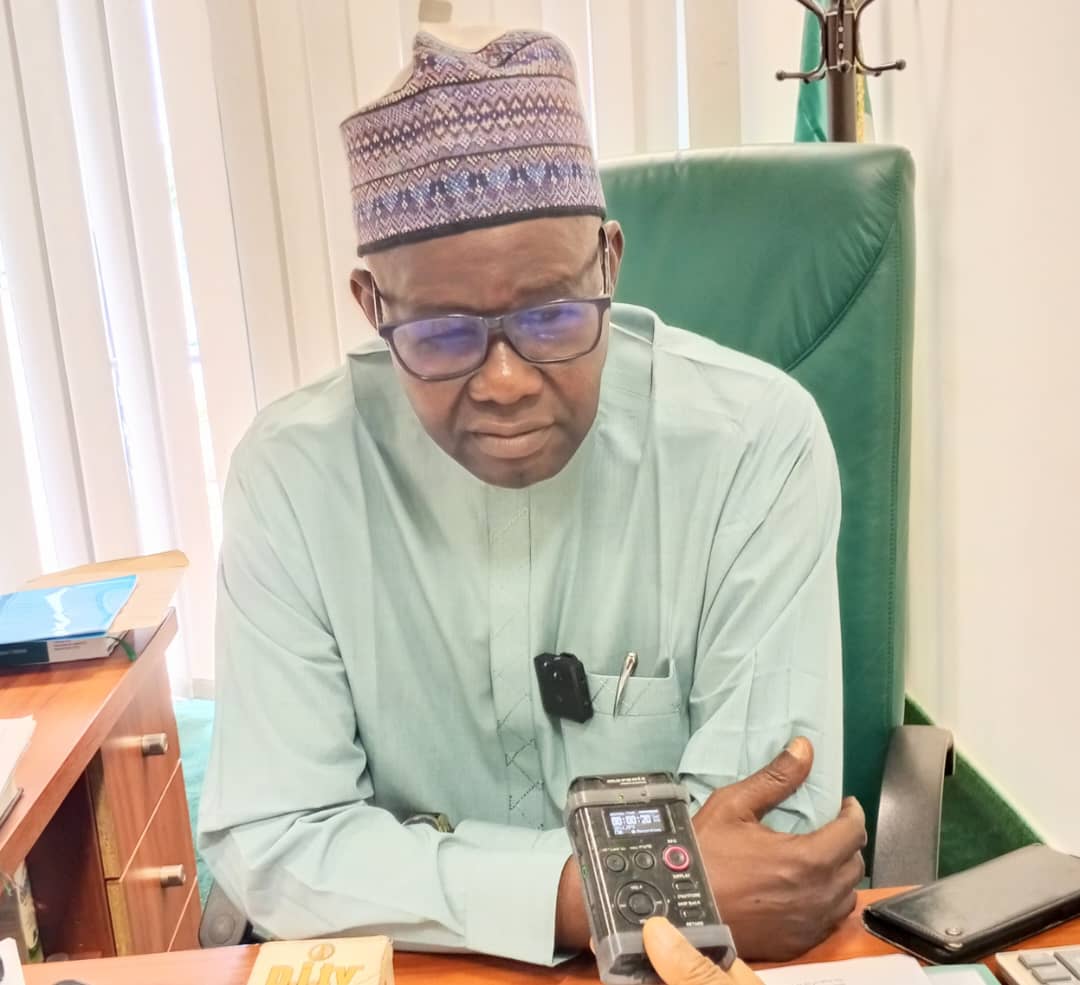
Hon. Auwalu Abdu Gwalabe, representing Katagum Federal Constituency, a member of the Peoples Democratic Party PDP described the development as “very unfortunate.”
While Speaking to journalists in Abuja, the lawmaker expressed deep concern that despite objections from minority members in the chamber, the $5 billion loan was not clearly defined, with only the term “structural swap” used as its justification.

On the port upgrade loan, Gwalabe questioned why the focus was limited to Lagos ports, leaving out other critical facilities such as the Warri and Port Harcourt ports, as well as dry ports in northern Nigeria.
He stressed that opposition members remain firmly against the loans, warning that such selective investments could deepen regional imbalance and further burden the nation with unsustainable debt.
The approval has sparked debate over transparency, inclusivity, and the long-term economic implications of borrowing at such a scale, with critics insisting that the government must provide clearer details and ensure equitable distribution of infrastructure development across the country.